
PHISHING · EMAIL · HABITS
Cybersecurity training for teams
Most breaches start with one click in one inbox. We train your team to recognize the attack, resist the click and report it — and we measure the improvement with real simulations.
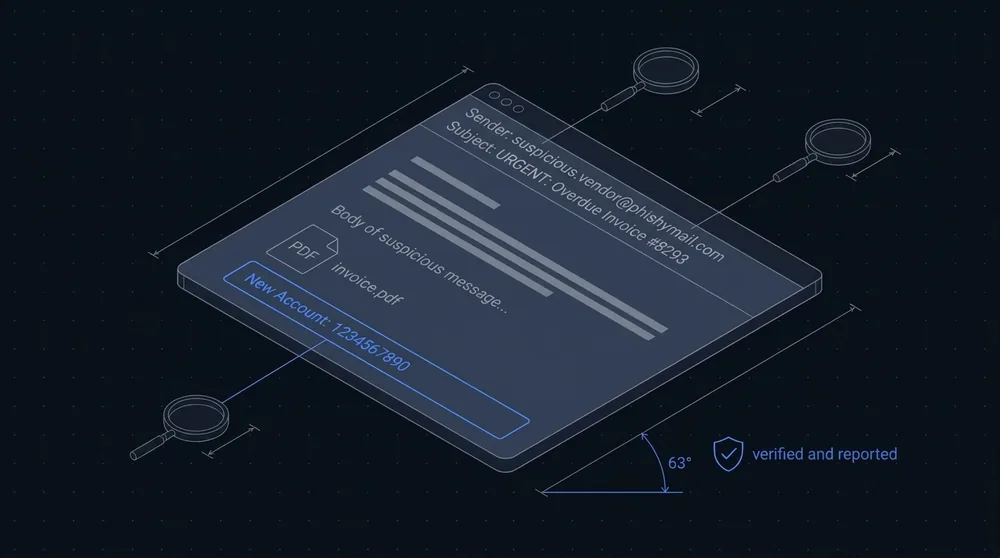
BEFORE
Emails that look like they come from the bank, a supplier or the boss. An invoice with new payment details. Everyone in the team decides alone, in silence, whether to click — and nobody wants to be the one who guessed wrong.
AFTER
The team recognizes the patterns, verifies unusual requests through a defined channel, and reports suspicious emails in seconds instead of hiding them. Simulated phishing shows the click rate falling — measured, like everything we do.
THE PROGRAM
How the training runs
-
01
Assess
A discreet baseline: simulated phishing across the team, plus a review of the real attack attempts you have been receiving. Now we know what we are defending against — and who needs what.
-
02
Train
Workshops on your real examples: spotting phishing and fake invoices, handling links and attachments, passwords and multi-factor authentication. By role, in plain language, no fear tactics.
-
03
Set the reflexes
A one-page protocol: how to verify payment or credential requests, where to report a suspicious email, what to do after a wrong click. The minutes after a mistake matter most.
-
04
Measure & repeat
Periodic simulations track the click rate and the report rate. Refreshers where habits slip, and onboarding for new hires so the defense does not erode.
Format: remote or on-site, for the whole team — the point is that everyone shares the same reflexes. In English, French or Spanish.
What we cover
-
Phishing and fake invoices
Recognizing spoofed senders, urgent-payment scams and CEO fraud — the attacks that actually hit SMBs.
-
Links, attachments and passwords
Safe handling habits, password managers and multi-factor authentication your team will actually use.
-
Verification and reporting
A clear channel to verify unusual requests and report suspicious emails — no fear of asking.
-
Where training ends
This is the human layer. If your situation calls for a technical audit or incident response, we say so and bring in the right specialist.